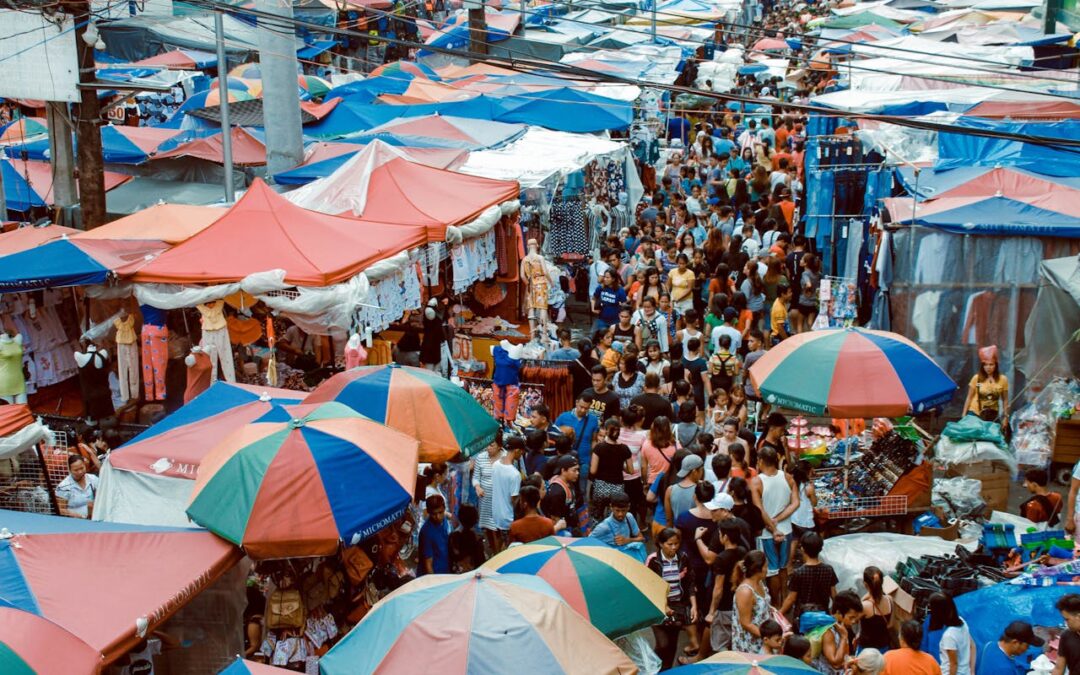
What social norms should expatriates understand when living in the Philippines?
Living abroad often requires adjusting to social expectations that may differ from those in one’s home country. For individuals experiencing expat life in the Philippines, understanding everyday cultural norms can make daily interactions easier in workplaces, neighborhoods, and public settings.
Philippine cultural research commonly describes Filipino society as community-oriented and relationship-focused, where shared values influence social behavior and cooperation
Population and household studies also show that family relationships play an important role in daily life and household structures in the Philippines.
Strong family orientation
Family relationships are widely considered one of the most important elements of Filipino society. National census definitions show that Philippine households often consist of relatives who share a home and common living arrangements, which may include multiple generations of family members.
Government statistical reports also note that household populations account for the vast majority of the Philippine population, reflecting the importance of family-based living arrangements.
For expatriates, this cultural pattern may appear in workplace scheduling around family obligations or invitations to family gatherings.
Respect for elders and authority
Respect toward elders is a widely recognized cultural value in Filipino communities. Cultural values promoted through national cultural programs emphasize shared responsibility, respect for others, and social harmony as important principles guiding everyday behavior (National Commission for Culture and the Arts – “Filipino Values for the Common Good: A Primer” https://ncca.gov.ph/2023/07/17/filipino-values-for-the-common-good-a-primer/).
These values are often reflected in language and social etiquette when interacting with elders or authority figures.
Hospitality toward guests
Hospitality and generosity toward visitors are commonly described in studies of Filipino cultural values. Cultural research highlights social values such as pakikipagkapuwa (shared identity with others) and cooperation as guiding principles in interpersonal relationships (National Commission for Culture and the Arts – “Filipino Values for the Common Good: A Primer” https://ncca.gov.ph/2023/07/17/filipino-values-for-the-common-good-a-primer/).
In practice, this may involve offering food to guests, inviting visitors to gatherings, or including neighbors in celebrations.
Community cooperation (Bayanihan)
Community cooperation is often associated with the Filipino concept of bayanihan, which reflects values such as cooperation, sharing, and collective responsibility within communities (National Commission for Culture and the Arts – “Cagayan Valley: The Ibanag” https://ncca.gov.ph/about-ncca-3/subcommissions/subcommission-on-cultural-communities-and-traditionalarts-sccta/northern-cultural-communities/cagayan-valley-the-ibanag/).
This value historically described neighbors working together to help families move houses or complete large community tasks. Today, the concept often refers more broadly to community support during events, disasters, or social projects.
Relationship-focused communication
Communication styles in the Philippines often emphasize maintaining respectful relationships and social harmony. Cultural values promoted by national cultural institutions highlight cooperation, mutual respect, and responsibility toward others as guiding principles in social interaction (National Commission for Culture and the Arts – “Filipino Values for the Common Good: A Primer” https://ncca.gov.ph/2023/07/17/filipino-values-for-the-common-good-a-primer/).
For expatriates, this may mean that disagreements or criticism are sometimes communicated carefully to maintain positive relationships.
Benefits of understanding Filipino social norms
Learning about local customs can support a smoother transition when adapting to expat life in the Philippines. Cultural awareness helps expatriates interpret social expectations and participate more comfortably in everyday interactions.
Potential benefits include:
- Improved communication with colleagues and neighbors
- Stronger relationships within local communities
- Better understanding of workplace dynamics
- Greater participation in social and cultural events
Cultural research programs promoting Filipino values emphasize cooperation, social responsibility, and respect as important principles for community participation (National Commission for Culture and the Arts – “Filipino Values for the Common Good: A Primer” https://ncca.gov.ph/2023/07/17/filipino-values-for-the-common-good-a-primer/).
Related FAQs
How important is religion in daily life in the Philippines?
Religion plays a visible role in Filipino communities. National census data collects information on religious affiliation to understand the cultural and social composition of the population (Philippine Statistics Authority – “Population and Housing Census” https://psa.gov.ph/statistics/population-and-housing).
Religious celebrations, church events, and festivals often form part of community traditions across the country.
What are the main differences between Western culture and Filipino culture?
Filipino social values often emphasize cooperation, community participation, and family relationships, reflecting broader cultural values promoted through national programs on Filipino identity and social responsibility (National Commission for Culture and the Arts – “Filipino Values for the Common Good: A Primer” https://ncca.gov.ph/2023/07/17/filipino-values-for-the-common-good-a-primer/).
In contrast, many Western societies are commonly described in academic research as emphasizing individual decision-making and independence.
What role do food and gatherings play in the daily life of Filipinos?
Food and shared meals often serve as social activities in Filipino communities. Cultural traditions documented in heritage studies show that gatherings, festivals, and family events play an important role in maintaining relationships and cultural identity (National Commission for Culture and the Arts – “Filipino Values for the Common Good: A Primer”https://ncca.gov.ph/2023/07/17/filipino-values-for-the-common-good-a-primer/).
These gatherings often involve extended family members, neighbors, and friends.